Mine is
In the 1960s, young people who did not want to adapt to the order in America found a place with sea, sun and yoga for themselves without needing much money. Where? Goa.
At that time, Goa was not yet discovered and was not touristic. Indians were quite surprised by these people. However, the warm-blooded Indian people immediately adapted to these hippies. The hippies wanted to learn this culture by enjoying the sea, the sun, the music and the melodies. This hippie movement that came in the 1960s led to the development of Goa. Then all the young hippies started to continue this movement. Travelers, hippies, families with children, relatively middle-class and rich Indian youth, Russians are people who have been coming to Goa every year for years and can now be considered locals.
Goa was a Portuguese territory from the 1570s until India took Goa back from the Portuguese in the 1960s. Since Goa belonged to the Portuguese for many years, it was greatly affected by this situation both religiously, architecturally and linguistically. The majority here are Christians, and many people speak Portuguese. The other common language of the region is Konkani. In the center called Old Goa, churches and buildings from the Portuguese still stand.
Panjim is the current capital of the state of Goa. When the Portuguese arrived in the small settlement of Panjim on the banks of the Mandovi River, they named it Nova Goa (New Goa), and this name is used today together with Panjim. There is also a church located in the center of Panaji that everyone who comes to the city must visit. Our Lady of the Immaculate Conception Church was the first church built in Goa. It is one of the churches dedicated to the birth of the Virgin Mary as a result of a pure and clean pregnancy, because the Virgin Mary's mother, who was free from sexual intercourse, became pregnant with her daughter Mary as a result of a miracle. It was built for the worship of sailors who came to Portugal.


It is also possible to see many Hindu temples in Goa. Mangeshi Temple, located 21 km from Panjim, is one of the Hindu temples worth seeing.
One of the biggest reasons why Goa is such a remarkable place is its beaches. Every year, millions of tourists come to these beaches to see the unique nature of Goa. North Goa is a party place, while South Goa is a quieter area with slightly more luxurious hotels. There is definitely something for everyone in Goa. Calangute, one of the most central places in North Goa, is located very close to Anjuna, Baga and Calangute beaches, where crazy parties take place. Anjuna Beach, which is located further north than Baga and Calangute beaches, is a better alternative with both the parties and the famous businesses on the beach, which Indians call “beach shacks”. Those who expect more peace, tranquility and natural beauty from their holiday can choose South Goa with peace of mind. Agonda and Palolem Beaches in the south are the favorites of many Goans. If you ask the locals of the city, they will say that they do not like North Goa very much and that one of the Agonda or Palolem Beaches in the south is their favorite. Palolem beach is a half-moon shaped bay with coconut trees on the beach side and bungalow type accommodations in front of it. There are no luxury hotels, it is a beach made up of bamboo huts built completely in accordance with nature. You can go from one end to the other in half an hour. It can be preferred for rest and peace.


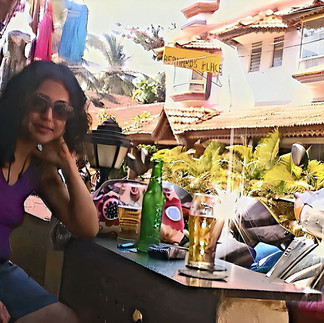


There are also wonderful markets here. The market set up in Anjuna on Wednesdays was actually a place where hippies used to sell their own items (cameras, clothes, watches, etc.) to continue their travels. Later, as interest in the market increased, it took its current form. Everything is incredibly beautiful and colorful. There are stands here for many different profiles, from Indian sellers to European sellers and travelers from many parts of the world. In addition to classic Indian products, it is also possible to find designer products made by these travelers or hippies. If you go to the market in the morning, they can give a big discount to make a sale. They believe that if the first customer who comes leaves without buying anything, it will be unlucky.





As you might expect, Goa is also known as a party place. Trance parties, full moon parties and many more. There are many restaurants/cafes on the beaches, each with a pleasant, shabby and interesting character. Their food appeals to everyone due to the tourist population. There is Nutella toast, schnitzel… You can listen to electronic music, jazz… There is no group that this place cannot appeal to!


